
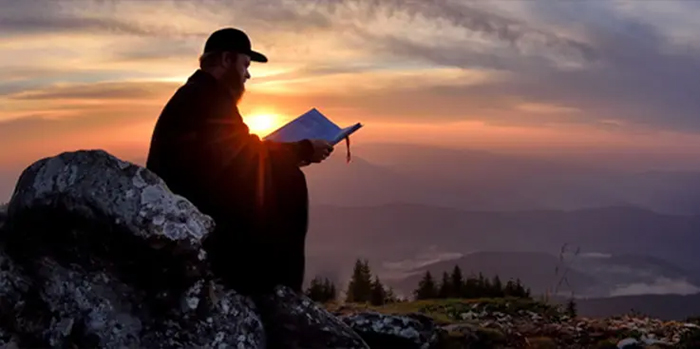
The Sabbath is a symbol of resting and playing in God. It is also a symbol for praying to God.
Sabbath is not just stopping work; it is taking time for joy, celebration, family, and relationship-building. The Sabbath is made for humanity, meaning it serves human flourishing. Doing good works, such as caring for a sick loved one or connecting with the community, aligns with this purpose.
Ron Rolheiser argues that enjoying the fruits of creation—good food, leisure, and beauty—is a key part of Sabbath and acts as a form of thanksgiving. The third commandment teaches us that, ultimately, we have no purpose outside of enjoying creation and glorifying its maker. Everything else we do is in function of that. Regularly, we need to stop working and hurrying and re-appreciate that fact. It is when we forget that the unimportant things become too important and we become consumed by hurry and pressure.
What can all of this mean, today, concretely, in a culture of Sunday shopping, Sunday jobs, Sunday business as usual, and sporting events which dominate our Sundays? It doesn’t mean that we should feel riddled by a false guilt which says: “God has given you six days, now you can’t even give him one day or one hour back!” We don’t owe God anything. God made us freely, in love, and wants us to respond freely in gift. He doesn’t demand our love.
What the Sabbath does mean is that on one day a week, ideally Sunday, we must stop work, try to center our lives, try to slow things down, try to re-appreciate why we are here in the first place, and then worship and celebrate that with God and each other through prayer, food, and play. Life is too short for the way we are living.[Exceprt from Ron Rolheiser’s “Slow The Rat Race, Take A Rest,” April 1988]
