
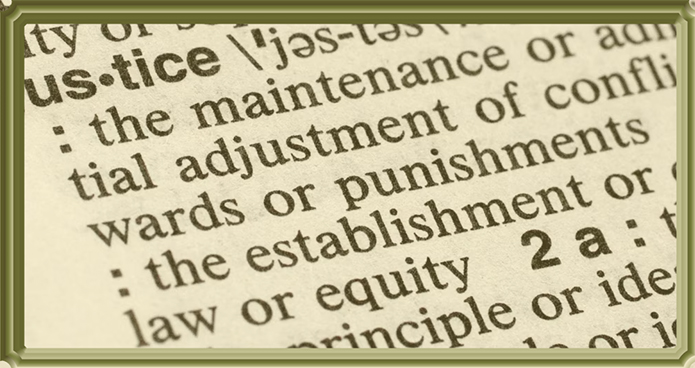
Catholic theologians primarily see in our reflection verse from Isaiah a connection with both Christ’s first coming and its completion at his Second Coming. St. Thomas Aquinas frames Christ’s mission in two stages:
– First coming: Christ inaugurates justice through grace, teaching, and redemption.
– Second coming: Christ perfects justice in the Final Judgment.
In this framework, “until he establishes justice” points to a process unfolding in history, not something completed immediately. Justice begins in the Church but is only fully realized when Christ returns to judge the living and the dead.
St. Augustine interprets such prophetic language through the lens of the two cities (earthly vs. heavenly): Justice is being established now through the spread of the Gospel. But justice is delayed because history is still mixed with sin. So “until” signals an ongoing mission that reaches completion only at the end of time, when Christ definitively orders all things under God.
Fr. Ron Rolheiser emphasizes that God’s way of establishing justice is organic, patient, and non-coercive. Christ does not fix the world in a single dramatic intervention; rather, he inaugurates a process that respects human freedom and unfolds within history.
Christ’s physical presence gives way to a sacramental and communal presence in the Church. This means that the work described in Isaiah—establishing justice on the earth—has not been postponed, but diffused into countless acts of fidelity, compassion, and moral courage carried out by ordinary believers. Justice, then, is already real but hidden, advancing quietly wherever the Gospel takes root.
Christ is quietly, patiently establishing justice in the world through us, and what remains unfinished will only be completed when he comes again.
