
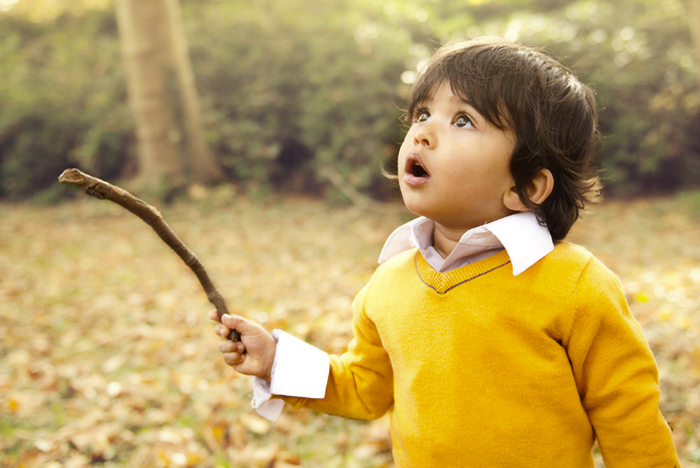
Love can grow numb between two people, just as it can within a whole culture. And that has happened in our culture, at least to a large part. The excitement that once guided our eyes has given way to a certain numbness and resignation. We no longer stand before life with much freshness. We have seen what it has to offer and have succumbed to a certain resignation: That’s all there is, and it’s not that great! All we can try for now is more of the same, with the misguided hope that if we keep increasing the dosage the payoff will be better.
What’s at the root of this? What has deprived us of wonder? Familiarity and its children: sophistication, intellectual pride, disappointment, boredom, and contempt. Familiarity does breed contempt, and contempt is the antithesis of the two things needed to stand before the world in wonder: reverence and respect. G.K. Chesterton once suggested that familiarity is the greatest of all illusions.
“Earth’s crammed with heaven. / And every common bush afire with God. / But only he who sees, takes off his shoes. / The rest sit round and pluck blackberries and daub their natural faces unaware.” – Elizabeth Barrett Browning
Chesterton suggests that the secret to recovering wonder and seeing divine fire in the ordinary is to learn to look at things familiar until they look unfamiliar again. That single line, that singular invitation, is the deep secret to recover our sense of wonder. Our sense of wonder is predicated initially on the naiveté of being a child, of not yet being unhealthily familiar with the world. Our eyes then are still open to marvel at the newness of things.
We have grown too familiar with sunsets! Wonder can make the familiar unfamiliar again. [Excerpt from Ron Rolheiser’s “In our familiar lives, there’s no more ‘wonder’” Jun 2023]
