
What’s right and what’s wrong? We fight a lot over moral issues, often with a self-assured righteousness. And mostly we fall into that same self-righteousness whenever we argue about sin. What constitutes a sin and what makes for a serious sin? Different Christian denominations and different schools of thought within them lean on various kinds of biblical and philosophical reasoning in trying to sort this out, often bitterly disagreeing with each other and provoking more anger than consensus.
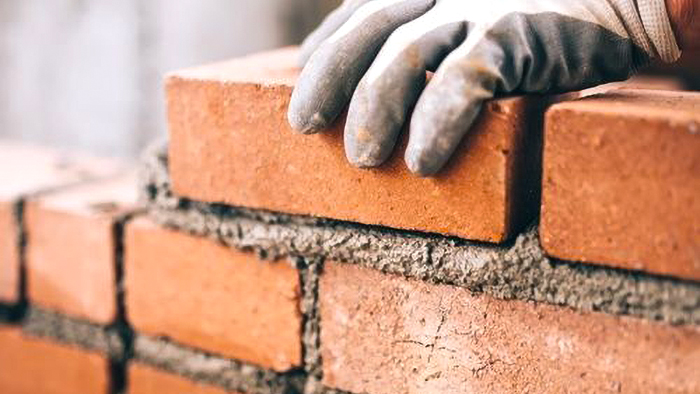
Intending no offense to how our churches and moral thinkers have classically approached moral questions, I believe there’s a better way to approach them that, more healthily, takes into account human freedom, human limitations, and the singular existential situation of every individual. The approach isn’t my own, but one voiced by the Prophet Isaiah who offers us this question from God: What kind of house can you build for me? That question should undergird our overall discipleship and all of our moral choices.
How do we enshrine the image and likeness of God inside our body, our intellect, our affectivity, our actions? What kind of “church” or “cathedral” is our very person? That’s the deeper question in terms of moral living. What kind of house can you build for me? At what level do I want live out my humanity and my discipleship? Do I want to be more self-serving or more generous? Do I want to be petty or noble? Do I want to be self-pitying or big of heart? Do I want to live out my commitments in a fully honest fidelity or am I comfortable betraying others and myself in hidden ways? Do I want to be a saint or am I okay being mediocre?
At a mature level of discipleship (and human maturity) the question is no longer, is this right wrong? That’s not love’s question. Love’s question is rather, how can I go deeper? At what level can I live out love, truth, light, and fidelity in my life? At what level do I want to carry my chastity, my fidelity, and my honesty? At what point in my life do I want to accept carrying more of the tension that both my discipleship and my humanity ask of me? What kind of person do I want to be? Do I want to be someone who is fully transparent or someone who has hidden goods under the counter? Do I want to live in full sobriety?” What kind of “temple” do I want to be? What kind of house can I build for God?
This moral choice comes to us, as do all the invitations from God, as an invitation, not as a threat. It’s through love and not threat that God invites us into life and discipleship, always gently asking us: what kind of house can you build for me? [Excerpt from Ron Rolheiser’s “What Kind of House Can You Build for Me?” October 2020]
