
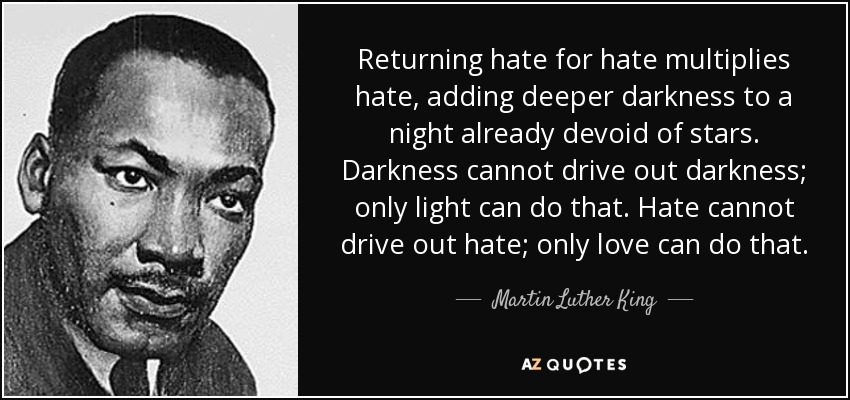
Jesus showed anger not as personal rage but as a powerful, holy reaction against evil, hypocrisy, and the commercialization of faith, exemplified by flipping tables in the temple; his anger was a catalyst for transformation, taking in negativity (like hatred, bitterness) and giving back love, forgiveness, and a call to a higher, purer way, like a water purifier turning poison into pure water, which Christians are called to imitate by transforming tension rather than transmitting it.
Ways in which Jesus dealt with anger:
- His anger was never personal, it was prophetic: Jesus’ anger wasn’t selfish or directed at individuals for personal reasons but was a righteous indignation against injustice and sin.
- He sought to cleanse the Temple: He physically drove out money changers and merchants, overturning tables (a powerful act of protest) to cleanse the sacred space, a sign of his anger at turning God’s house into a marketplace.
- He called out hypocrisy: Jesus denounced religious leaders (Pharisees) who preached but didn’t practice their faith, showing anger at their spiritual blindness.
- The core of Jesus teaching was one of transformation, not retaliation: Jesus’ was a “water purifier” for the world; he absorbed hatred, jealousy, and resentment and transformed them into love, forgiveness, and compassion, rather than giving back hate for hate.
What are the lessons we can take from this knowledge?
- Righteous Anger: We are called to have a “holy hatred for sin” that motivates us to act justly, driven by God’s love for others, not personal hurt.
- Metanoia (Higher Mind): Instead of reacting defensively (paranoia), we should engage our “higher mind” (metanoia) to absorb tension and transform it, like Mary pondering at the cross.
- Imitation: We should strive to take in negativity (anger, bitterness) from the world, hold it, and transmute it into positive virtues like love, graciousness, and compassion, thereby helping to “take away the sin of the world”.
In essence, Jesus’ anger was a holy, transformative force, a model for how followers can confront evil and create positive change by purifying, rather than perpetuating, negative energies.
