
We live too frustrated by our own mediocrity. The problem lies not in our unwillingness to convert, but in our inability to convert. We keep trying, by the way of good resolutions, to wage war against the bad habits of our hearts and minds. But we fail, grow discouraged, and generally live with a non-expressed despair, which lets us believe that for us, things cannot really change.
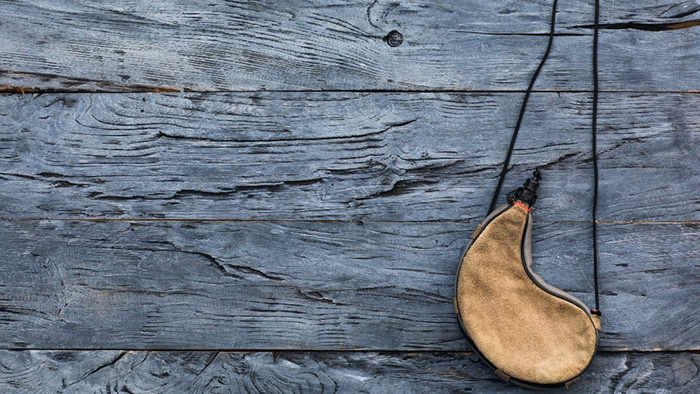
What’s at issue? I suspect the issue is more about our unwillingness to move toward the radicalism and upheaval that genuine conversion implies. Perhaps the best analogy available to us for understanding the real meaning of the word conversion is that of revolution. Conversion is an interior revolution. Anything less radical simply misses most of the meaning of that word. As Scripture puts it: “You cannot put new wine into old wineskins!”
When we look at the phenomenon of a political-social revolution, we see that a successful revolution brings about a new consciousness and a new system, a “new guard.” This replaces an “old guard,” a previously established consciousness and way of doing things.
Revolution is dramatic, not gradual. It is an upheaval, a radical overturning. It arises precisely when people have despaired of gradual change. When simple evolution and ordinary everyday changes provide the necessary growth, then revolution is not necessary. Revolution becomes necessary only when the old order is hopelessly stagnant, when there is no longer any hope that peaceful, non-violent, gradual change can bring about improvements of any significance.
Once the new consciousness and order have been established, they must – and very quickly, too – purge themselves of all elements which are not single-mindedly and unequivocally supportive of the new ideals and the new system. Aristotle said: “Habits become one’s second nature.” He is correct. Bad habits do become our second natures. This is a realty that tells us that too many things have been happening for too many years. Evolution is no longer possible for us. Revolution and a certain violence are necessary. We must radically shake up our lives.
Year after year, we try to change ourselves through good resolutions, through means that will not be too dramatic, painful or disruptive. That is why we fail and stay ever the same: mediocre, frustrated, and unable to break out of bad habits that have dominated our lives. It is our fear of dramatic upheaval, painful uprooting and new patterns of life that are hostile to established habits that, precisely, allow our bad habits and mediocrity to keep the upper hand.
Genuine conversion and real change will come when we have the nerve to risk dramatic upheaval. [Excerpt from Ron Rolheiser’s “Conversion Is Revolution!” February 1987]
