
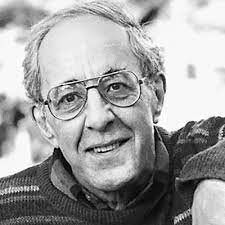
Henri Jozef Machiel Nouwen (1932–1996) was a Dutch Catholic priest, professor, spiritual writer, and theologian whose work profoundly shaped modern Christian spirituality. Born on January 24, 1932, in Nijkerk in the Netherlands, Nouwen was ordained to the priesthood in 1957 and later pursued studies in psychology and theology, seeking to bridge the gap between pastoral ministry and the human sciences.
Nouwen taught at several prestigious institutions, including the University of Notre Dame, Yale Divinity School, and Harvard Divinity School. Despite his academic success, he increasingly felt called away from the competitive university environment toward a more incarnational form of ministry.
In 1986 he made a decisive move to join the L’Arche Daybreak community in Richmond Hill, Ontario, founded by Jean Vanier. There he lived and worked among people with intellectual disabilities, an experience that deeply shaped his later writings and spirituality.
Over his lifetime, Nouwen wrote nearly forty books—including The Wounded Healer, In the Name of Jesus, and The Return of the Prodigal Son—which together sold millions of copies worldwide. He died unexpectedly of a heart attack on September 21, 1996, while traveling in the Netherlands.
His Theology
Henri Nouwen’s theology is often described as pastoral, incarnational, and deeply relational. Rather than constructing abstract systematic theology, he focused on the lived experience of God’s love in human vulnerability.
Key themes of his theology include:
1. The Wounded Healer
Nouwen believed that Christian ministers are called not from positions of strength but from acknowledged brokenness. Drawing on the model of Christ, he argued that one’s own wounds can become a source of compassion and authentic ministry.
2. The Primacy of Belovedness
At the heart of Nouwen’s spirituality is the conviction that every person is the “Beloved” of God. He taught that much human anxiety and striving comes from forgetting this fundamental identity.
3. Downward Mobility and Servant Leadership
In works like In the Name of Jesus, Nouwen contrasted worldly success with the gospel path of humility, prayer, and service. True Christian leadership, he insisted, moves downward toward solidarity with the poor and vulnerable.
4. Community as the Place of Encounter
His years at L’Arche convinced him that God is encountered most powerfully in relationships—especially with those the world overlooks. Community, mutual dependence, and hospitality are central to his vision of the Christian life.
5. Integration of Psychology and Spirituality
Influenced by modern psychology, Nouwen explored loneliness, identity, and emotional health as integral to spiritual formation, helping many readers connect faith with inner healing.
Overall, Nouwen’s theology is marked by warmth, accessibility, and a profound emphasis on God’s compassionate presence in ordinary human life.
Notable Books
Among his more than 40 books, the most influential include:
– The Wounded Healer (1972)
– In the Name of Jesus (1989)
– The Return of the Prodigal Son (1992)
– Life of the Beloved (1992)
His reflections on Rembrandt’s painting in The Return of the Prodigal Son are especially well known.
Death and Legacy
Henri Nouwen died of a heart attack on September 21, 1996, in Hilversum, at age 64.
Today, he is remembered as one of the most influential spiritual writers of the late 20th century. His works remain widely read in Christian formation, pastoral care, counseling, and spiritual direction.