
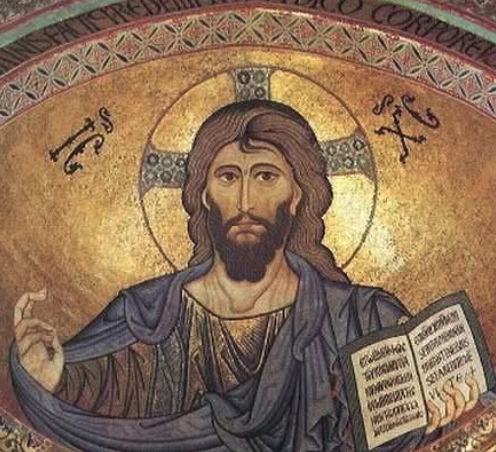
After the birth of Christ, we need not look to the extraordinary, the spectacular, the miraculous to find God. God is now found where we live, in our kitchens, at our tables, in our wounds and in each others’ faces. That is hard to believe and always has been. When Jesus was on earth, virtually no one believed he was the Messiah precisely because he was so ordinary, so unlike what they’d imagined God to be.
It is curious that Scripture refuses to describe what Jesus looked like. It never tells us whether he was short or tall, with beard or without, had light or dark hair, or blue or brown eyes. Neither does it ever assign to him anything extraordinary in terms of psychological countenance.
Nikos Kazantzakis once wrote: “God is not found in monasteries, but in our homes! Wherever you find husband and wife, that’s where you find God: wherever children and petty cares and cooking and arguments and reconciliation are, that’s where God is, too. The God I’m telling about, the domestic one, not the monastic one, that’s the real God.”
In the First Letter of John, we read: “God is love and whoever abides in love abides in God and God abides in him/her.” Love is a thing that happens in ordinary life, in kitchens, at tables, in workplaces, in families, in the flesh. God abides in us when we abide there. The Christ-child is also to be found in church, in the sacraments and in private meditations. All of these are ordinary and the incarnation crawls into them and helps us, there, to abide in God.
True acknowledgment of Christ is tied to following his way of life, taking up our cross each day, walking the path that goes through suffering and service, rather than simply proclaiming his status.[Excerpt from Ron Rolheiser’s “Born Into The Ordinary” December 1986]
