
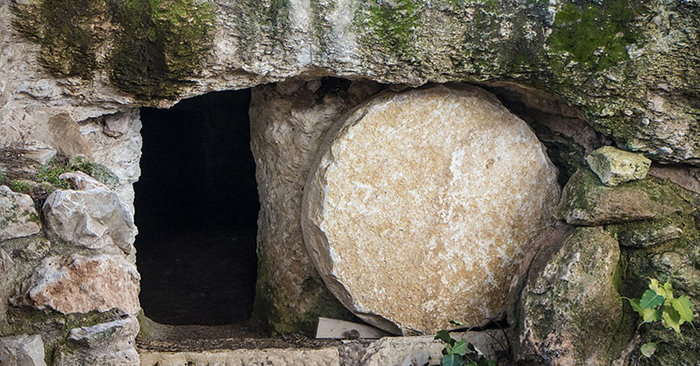
The execution of Jesus had seemed final. Under the authority of Pontius Pilate, Roman soldiers had carried out the crucifixion with brutal efficiency. At the request of certain religious leaders, the tomb had even been secured, sealed, and guarded to prevent any tampering.
To them, this was necessary. Jesus had spoken of rising again, and rumors, they feared, could spread quickly during a crowded festival. So the stone was sealed. The guards were posted. The matter, it seemed, was closed. But something happened.
According to the account preserved in the Gospel of Matthew, the ground shook, and the tomb was found empty. The guards, trained, disciplined men, were shaken enough to report what they had experienced.
They did not go first to their Roman superiors, but to the chief priests. What followed, Matthew says, was a decision made in private. Money was brought out, and a story was agreed upon that the disciples stole the body of Jesus from the tomb.
Fr. Ron Rolheiser writes about the irony that the same religious and Roman authorities who sought to silence Jesus through death continued to use deception after his resurrection, specifically creating a false narrative that the disciples stole the body.
The Roman guards’ false testimony (that they slept while the body was stolen) was a desperate attempt by authorities to maintain control over the narrative and avoid the implications of Jesus rising from the dead. Despite this collusion between the soldiers and leaders to conceal the resurrection, God’s truth eventually triumphs, turning the darkness of their deception into the light of faith.
The very existence of the accusation that “the disciples stole the body” is significant. It suggests that something about the tomb required explanation. The complicity noted by Matthew is a classic human effort to hide behind “false stories” when confronted with undeniable facts that threaten their power.
