Today, it is rare that we hear someone simply and humbly say, beyond any reference to circumstances or excuses: “I’ve sinned.” There aren’t any excuses…outside of being human. We are poorer for not being able to say that.
When we refuse to admit that we sin, we are forced to be dishonest because, in the end, no one can, honestly, stand before God and others and not have to say: “I am weak, I do things I shouldn’t. The good I want to do, I cannot. The evil I want to avoid, I end up doing. I need forgiveness.” Not to say this, is to lie. Not to admit sin forces us to rationalize, to give excuses, to project blame, and to over-emphasize psychological and sociological influences on our behavior.
Forgiveness doesn’t wash away neuroses or immaturities. It washes away sin. It is when we humbly and simply own our sin that we take our place among God’s broken, the ones Jesus came to save, and are given the chance to start again, new, fresh, loved.
A man I know is fond of expressing his displeasure with his own moral failures by saying: “That was incredibly stupid…but it seemed like a good idea at the time!” That’s a contemporary form of the publican’s prayer. There’s an honesty in that which allows him to accept forgiveness.
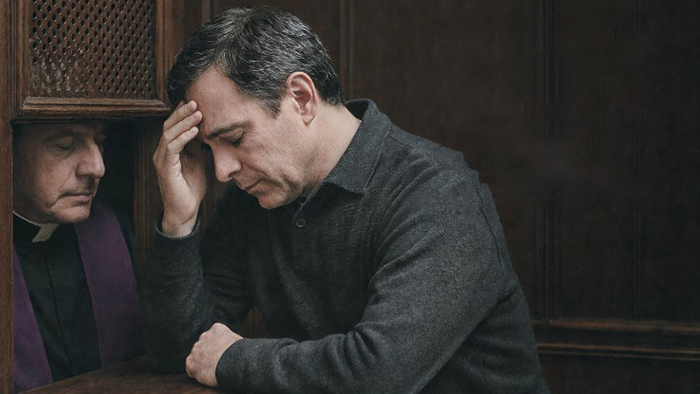
Another person I know, a lady who has been coming to me for the sacrament of reconciliation for some time, always begins her confession with the beautiful phrase: “I am a loved sinner.” In that expression, she keeps in correct balance the most important truths of humanity: We are sinners, and we are loved in spite of it. To admit sin sets us free to receive love under the only condition it can be truly offered. To acknowledge that we are loved, in spite of sin, sets us free from false guilt and self-hatred.[Excerpt from Ron Rolheiser’s “Be Brave, Admit Your Sinfulness,” July 1988]