
Our reflection today turns to Psalm 63, which opens with one of the most beautiful expressions of spiritual longing found in Scripture. Traditionally attributed to David during a time in the wilderness, these words reveal a profound truth about the human condition: we are created for God and, therefore, the deepest part of our being naturally longs for communion with him.
The soul seeks God because it comes from God and finds its fulfillment only in him. Every human desire for love, truth, beauty, meaning, and belonging ultimately points beyond itself to the One who is their source. As St. Augustine famously observed, “Our hearts are restless until they rest in you.” The longing described by the psalmist is not simply a religious feeling but an expression of the soul’s deepest need.
The image of thirst is particularly powerful because thirst is one of the most basic and urgent human experiences. Just as the body cannot survive without water, the soul cannot flourish without God. The psalmist understands that his need for God is not optional or secondary; it is essential. He does not merely desire God’s blessings or gifts but seeks God himself.
This spiritual thirst manifests itself as a yearning for God’s presence, guidance, mercy, and love. It is often experienced as a restlessness or dissatisfaction that no earthly achievement, possession, or relationship can completely satisfy. The human heart instinctively searches for something more because it was created for an infinite relationship with God.
The psalmist also says that his “flesh pines” for God, reminding us that this longing involves the whole person, not just the soul. In biblical thought, the human person is a unity of body and spirit. Our desire for God is expressed not only in thoughts and emotions but also through prayer, worship, service, acts of charity, and participation in the sacramental life. The entire person is drawn toward God because the entire person has been created by God and for God.
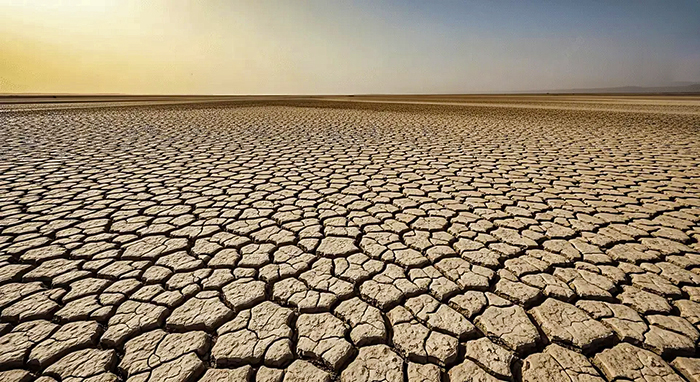
The image of the earth “parched, lifeless and without water” further deepens the meaning of the psalm. A dry and barren land cannot produce life or bear fruit. Without water it becomes cracked, exhausted, and incapable of sustaining growth. In the same way, the soul apart from God becomes spiritually dry and unfruitful. Throughout Scripture, water is often a symbol of God’s grace and life-giving presence. The psalmist recognizes that without God his soul resembles a desert longing for rain. Yet this image also carries great hope. Just as rain can transform a barren landscape into fertile ground, God’s presence can renew, heal, and restore the human heart. The soul that turns toward God finds new life, renewed strength, and the capacity to bear spiritual fruit.
This verse reminds us that our soul, our very nature, can find fulfillment only in Jesus Christ, who presents himself as the living water that satisfies the deepest thirst of the human heart. The longing expressed by the psalmist points toward Christ’s invitation: “Let anyone who thirsts come to me and drink.”
In a world that often seeks fulfillment through success, possessions, entertainment, or personal achievement, this psalm reminds us that no created thing can satisfy our deepest desires. The soul longs for God because it was made for God. The thirst described in Psalm 63 is the soul’s recognition that its true home is found in communion with its Creator. Far from being a weakness, this longing is evidence that the soul is alive and seeking the One who alone can satisfy its deepest hunger and thirst.
