
The words of Jesus from John’s Gospel today reveal the very heart of God. Too often, people imagine God as standing at a distance, watching human failures and waiting to judge them. Yet Jesus presents a very different image. The Father sends the Son not as a condemning judge but as a loving Savior. The mission of Christ begins not with humanity’s sinfulness but with God’s overwhelming love. Before we ever seek God, God seeks us. Before we ever repent, God extends mercy. Before we ever return home, the Father is already waiting at the door.
This verse speaks to one of the deepest longings of the human heart: the desire to know that we are loved, welcomed, and wanted. God’s desire is not to exclude but to gather. Throughout the Gospels, Jesus consistently reaches out to those who felt forgotten, rejected, or unworthy. He sits with sinners, touches lepers, speaks with outsiders, forgives the broken, and welcomes those whom society had pushed aside. In every encounter, Jesus reveals the Father’s longing that no one be lost. His life becomes a living expression of the truth proclaimed in this verse: God desires salvation, healing, and reconciliation for all people.
While each individual remains free to accept or reject God’s invitation, the initiative always belongs to God. Salvation begins not with our worthiness but with His mercy. We do not earn God’s love; we discover that we have always been loved. This truth can be especially comforting for those who struggle with feelings of failure, guilt, or spiritual inadequacy.
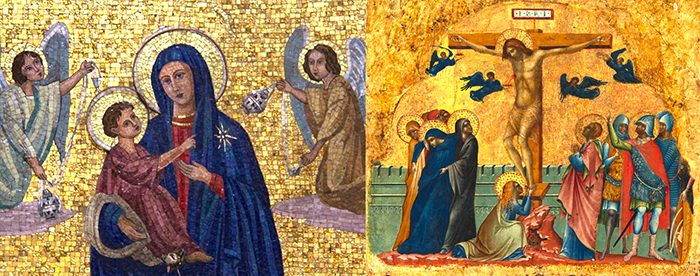
Many people carry an image of God that is shaped more by fear than by love. They wonder if they have done too much wrong, wandered too far, or failed too often. This verse gently challenges those fears. Jesus does not come searching for reasons to condemn. He comes searching for people to save. The Cross itself is the ultimate proof of this truth. There, Christ takes upon Himself the weight of human sin, not to shame humanity but to restore it. The Cross reveals a God who would rather suffer for us than abandon us.
In a world often marked by division, exclusion, and judgment, this verse remains a powerful reminder of the Gospel’s central message. God looks upon humanity with compassion. He sees our wounds, our struggles, and our sins, yet His response is not rejection but redemption. The Son enters the world because the world matters to God. Every person matters to God. The heart of the Father is wide enough to embrace every nation, every culture, every sinner, every seeker, and every soul.
Our reflection verse today invites us to trust in God’s goodness. It assures us that God’s first movement toward humanity is always love. His deepest desire is not that anyone be condemned but that all might come to know the fullness of life found in Him. The Gospel begins and ends with this hope: that the God who created us in love continually seeks us, calls us, and welcomes us home.
