
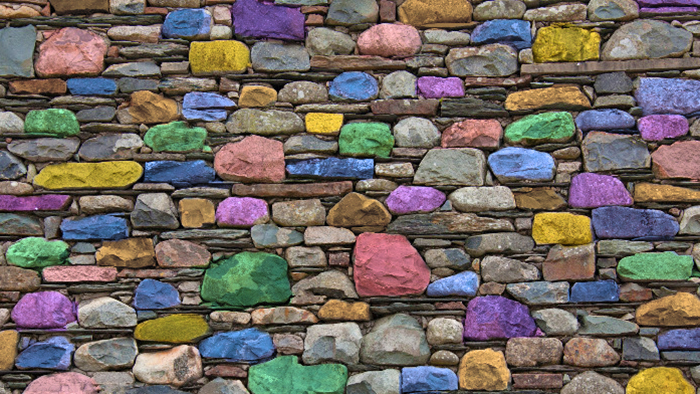
The image used by Saint Peter of believers being “built into a spiritual house” comes from a world in which temples represented the dwelling place of God. In the ancient Jewish understanding, the Temple in Jerusalem was the sacred meeting point between heaven and earth. Yet in the resurrection of Christ, the early Christians came to believe that God no longer dwelt primarily in buildings made of stone, but within a living community formed around Jesus Christ. The “spiritual house” is therefore both personal and communal: each believer becomes a living stone, and together the Church becomes the dwelling place of God in the world.
For the Christian, building this spiritual house begins with Christ himself. A house cannot stand without a foundation. Christians build their lives by orienting themselves toward Christ’s way of living: prayer, humility, mercy, forgiveness, sacrifice, and love. This building is not accomplished in a single moment but through daily conversion. Every act of charity becomes another stone laid into place. Every moment of repentance repairs a crack in the structure. Every surrender of ego strengthens the foundation. The spiritual house is built not by external achievement but by inward transformation.
How is this spiritual house maintained?
- Prayer keeps the soul connected to God as a home remains connected to light and air.
- Scripture forms the architecture of the mind and heart, teaching believers how to think and act in accordance with divine wisdom.
- The sacraments, especially the Eucharist, nourish and sustain the life within the house.
- Community provides encouragement, accountability, healing, and shared worship.
- Service to the poor and vulnerable prevents the spiritual house from becoming self-centered.
This spiritual house is never merely for private comfort. God builds people into a spiritual house so that his presence becomes visible in the world. The objective for the individual is transformation into holiness. The Christian is called to become a place where others encounter peace, truth, compassion, and hope. In this sense, the spiritual house becomes a sanctuary within the human heart where God and humanity meet.
This image challenges modern individualism. The spiritual life is not self-construction in isolation; it is participation in a greater communion. God is the architect, Christ is the cornerstone, and believers are living stones joined together in grace. The goal is not simply personal salvation but the renewal of the world through lives transformed by divine love.
