
In today’s teaching, Jesus asks us to examine the heart behind our service. This parable can sound harsh. A servant returns from working in the fields and must prepare his master’s meal before eating himself. Jesus is teaching his disciples humility and freedom from entitlement. Our faithfulness matters deeply, but it never makes God our debtor.
Earlier in Luke 17, Jesus tells his disciples to forgive repeatedly. The apostles then ask him to increase their faith. After speaking about faith like a mustard seed, Jesus gives this parable. The connection is significant: even remarkable faith and demanding obedience give disciples no claim to special treatment from God. They remain dependent on his generosity.
Jesus speaks first to Jewish disciples, drawing on a household arrangement familiar in the ancient world. The servant in the story is under a master’s authority; the image is more severe than a modern employee finishing a shift. Jesus uses that familiar relationship to make a particular point about service.
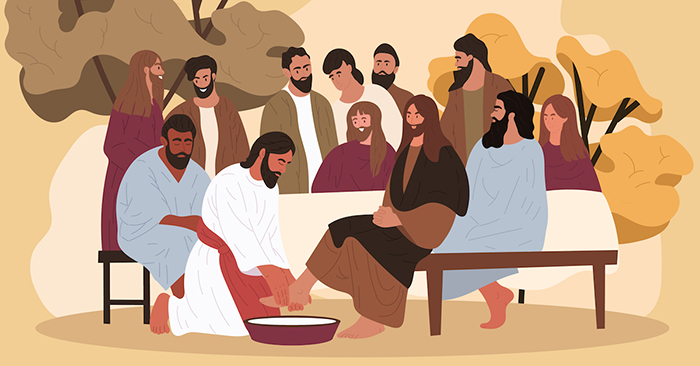
We must also read this story alongside Jesus’ other teachings. Luke also describes a master who seats his watchful servants and serves them himself. At the Last Supper, Jesus identifies himself as the one who serves. God’s generosity goes far beyond the household expectations used in this parable.
The invitation is to stop measuring our relationship with God as an exchange of equal payments. Remembering mercy makes room for generosity toward others. “Lord, everything I have comes from you. Whatever good I have done, I have done with gifts and strength you first gave me.”
How do we see this teaching in practice? We might see a parish volunteer preparing to serve each week faithfully, but few people notice. We might see a spouse continuing to care for someone through a long illness, never being thanked. The desire for appreciation is human. This parable invites us to notice when that desire becomes the condition of our love.
If this parable speaks directly to you and your challenges of not being “appreciated,” ask God for a freer heart, one that serves because another person needs love. A heart that loves this way sees the world through the lens of “other,” never of itself. That is the heart of a servant.
