
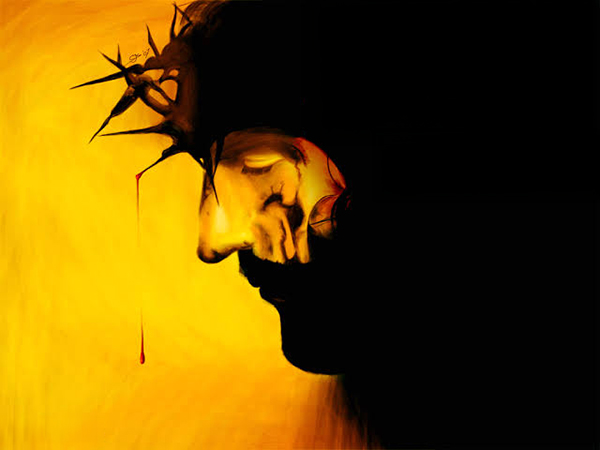
Jesus tells his disciples ahead of time that they will see him crucified. He does this because they will be tempted to believe that everything they hoped for has now ended. His words give them something to remember when the events themselves seem impossible to understand.
When Jesus uses the term “The Son of Man,” it would bring his Jewish disciples to the vision of Daniel in the Old Testament. Daniel sees brutal kingdoms pictured as beasts. Then someone “like a son of man” comes before God and receives a kingdom that will endure. For people living under Roman rule, that image could awaken hope that oppressive powers would finally give way to God’s justice.
“He must suffer greatly and be rejected” brings another scriptural image into view. Isaiah describes a servant who is rejected and bears the suffering and sins of others. The people who once turned away from him come to see that his wounds have healed them. Read together in light of Easter, Daniel and Isaiah help Christians see how the one who receives the kingdom can also be the servant who gives himself for others.
Luke shows how hard this was to grasp. After the Crucifixion, two disciples walking to Emmaus tell the risen Jesus, whom they have yet to recognize, “We were hoping that he would be the one to redeem Israel.” Listen to the past tense. As far as they can see, their hope died with him. Jesus takes them back through the Scriptures and asks whether the Messiah had to suffer before entering his glory.
The Cross is Jesus’ freely chosen act of standing with people in their suffering. Someone who is grieving may struggle to believe that God understands what they are going through. The crucified Jesus gives that person someone to speak to who knows from within what it means to suffer and be forsaken.