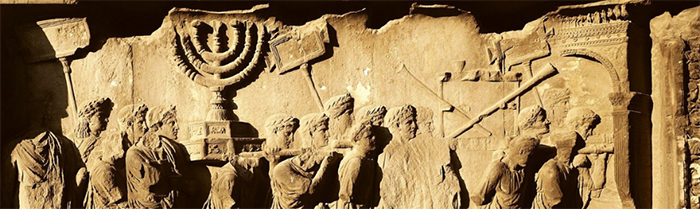
The “Feast of Dedication” refers to what is now known as Hanukkah, commemorating the purification and rededication of the Temple after its desecration in the time of the Maccabees. It is striking that Jesus chooses this moment—when Israel celebrates the restoration of sacred space—to reveal something deeper: that the true dwelling of God is no longer confined to stone, but is present in His very person.
The ancient Fathers saw profound symbolism here. Saint Augustine writes that the Temple, once defiled and then purified, prefigures both Christ and the human soul. Christ is the true Temple, consecrated by the Father, yet rejected and misunderstood. At the same time, Augustine turns the image inward: each believer is also a temple in need of cleansing and rededication. The feast, then, is not merely historical remembrance but an invitation—God continually seeks to reclaim and consecrate what has been profaned within us.
Saint John Chrysostom emphasizes the irony of the moment. While the people celebrate the restoration of the Temple, they stand before the One who is its fulfillment and yet fail to recognize Him. The question posed to Jesus—“How long will you keep us in suspense?” reveals a deeper blindness. The light they celebrate externally has already come into the world, yet it is not received. Dedication, in this sense, is not only about sacred spaces but about perception: whether the heart can recognize God when He stands before it.
Modern Catholic voices echo and deepen this theme. Henri Nouwen often wrote about the human struggle to “make a home” for God amid the noise and fragmentation of life. Nouwen suggests that true dedication is not achieved through force, but through gentle, faithful return—again and again—to the presence of Christ who stands at the door and knocks. Ron Rolheiser suggests that in a fragmented modern world, the Feast of Dedication challenges us to rediscover spaces—both physical and relational—where God’s presence is honored together. The Church herself becomes a living temple, continually in need of renewal, repentance, and re-consecration.
To close this reflection, we must recognize that the winter setting in John’s Gospel is not incidental. It evokes a spiritual barrenness, a coldness of heart, even as the Feast proclaims light and renewal. Into this tension, Christ walks in the Temple precincts, quietly revealing that the true Dedication is not merely a past event but a present reality. God is always at work reclaiming, purifying, and inhabiting His people.
To celebrate the Feast of Dedication, then, is to enter into this ongoing mystery: to allow Christ to cleanse what is defiled, to recognize Him as the true Temple, and to become, both individually and communally, a place where God delights to dwell.
