
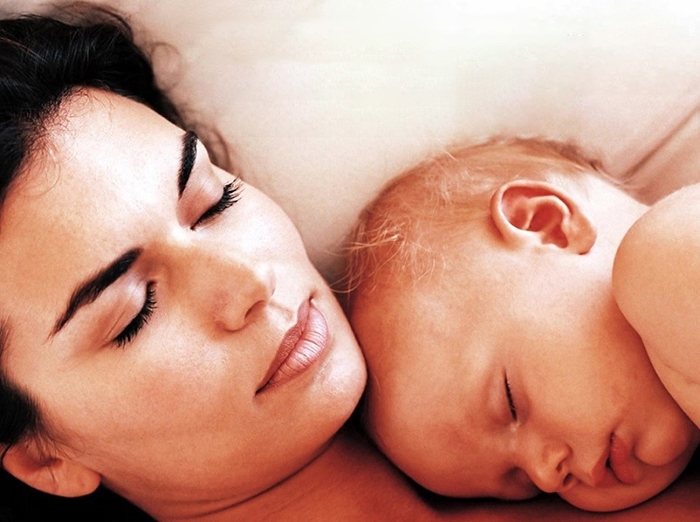
Our reflection verse today provides an image that is at once deeply human and profoundly divine: the anguish of a mother in labor giving way to joy at the birth of a child. In this moment, Jesus is preparing His apostles for the scandal of the Cross, the confusion of His death, and the sorrow they will endure when it appears that darkness has won. Yet He tells them that their suffering is not meaningless. Like labor pains, it is a suffering that carries within itself the promise of life.
The image is important because labor is not suffering for suffering’s sake. It is purposeful pain. The mother endures agony because love is bringing forth a new life. Christ reveals that the Christian life often follows this same pattern. To belong to Him is to pass through seasons of waiting, sacrifice, misunderstanding, loss, and perseverance. The disciple is not spared suffering; rather, suffering becomes transformed when united to Christ. What appears to the world as defeat becomes, in God’s providence, the very path by which resurrection is born.
This mystery stands at the heart of Christianity. The Cross always precedes the Resurrection. Crucifixion of Jesus Before Easter morning came Good Friday. Before the apostles proclaimed the Gospel with courage, they experienced fear, grief, and apparent abandonment. Jesus does not deny the reality of anguish. He sanctifies it by entering into it Himself. The Son of God does not save humanity from a distance; He suffers with humanity and for humanity. Therefore, the Christian who suffers in fidelity to God is never suffering alone.
The comparison to childbirth also reveals that pain can become transformative. A woman in labor is not the same after giving birth; she has become a mother. In a similar way, enduring trials in faith changes the soul. Patience deepens. Compassion grows. Pride is stripped away. Dependence upon God becomes more real than dependence upon worldly securities. Through suffering faithfully endured, the believer is spiritually “reborn” into greater holiness. This is why the saints so often spoke of suffering not merely as an obstacle, but as a participation in the life of Christ. Saint Paul the Apostle writes that “suffering produces endurance, and endurance produces character, and character produces hope.” Epistle to the Romans
Yet Christ’s words also contain a promise about memory and joy. He says the mother “no longer remembers the pain” because of the joy before her. This does not mean the pain was unreal or insignificant. Rather, joy reinterprets suffering in light of what it produced. Christians believe that eternal life will cast all earthly suffering into a new perspective. In the presence of God, the wounds endured for love of Him will not be seen as wasted moments, but as hidden seeds of glory. Book of Revelation speaks of the day when God “will wipe every tear from their eyes.” The tears mattered. The pain mattered. But neither had the final word.