
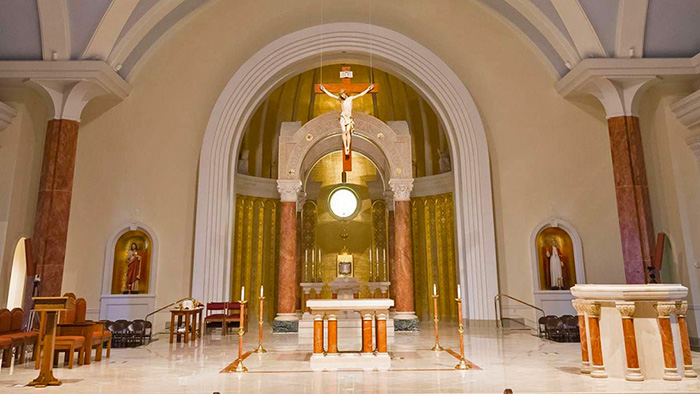
Just before entering the Temple, Jesus weeps over Jerusalem. He longs for the city to recognize what makes for peace. Then he enters the Temple area, drives out those who are selling there, and says, “My house shall be a house of prayer.”
He begins teaching. Luke says he returns to teach daily and that the people hang on his every word. His tears and his actions belong together. The city matters to him, and so does what happens in its place of worship.
Jesus’ words draw on two of Israel’s prophets. Isaiah says God will bring even foreigners who seek him into his house and give them joy there. Jeremiah stands at the Temple gate and asks worshipers how they have treated the foreigner, the orphan, and the widow.
His image of a den of thieves is unsettling. A den is where thieves go after the harm is done. Jeremiah asks whether we ever come before God seeking the comfort of worship while leaving the people we have hurt to bear the consequences.
Richard Rohr writes about how prayer and compassionate action sustain each other. Think of coming to Mass after speaking harshly to someone at home. In the quiet before Mass, you may finally hear how your words sounded to the other person. As you join the Church in asking for mercy, you may find the courage to apologize when you get home. The next time you come to pray, you bring that person’s experience with you, along with your own.
The same invitation reaches us as a parish. Someone may enter our church unsure where to sit, what to do, or whether anyone will notice them. A quiet greeting and an offer to help can give that person enough ease to stay and pray.
At the altar, Christ gathers us and feeds us. In the pews and out the doors, we have a chance to show our neighbors what it is like to be welcomed into his house.