
This passage speaks first about Jews and Gentiles—people from Israel and people from other nations. Through Jesus, both are welcomed into one body and given access to the Father through the Holy Spirit. Neither group must approach God as a stranger.
Peace begins with Jesus himself. As we draw closer to him, we are also called to draw closer to those he loves. We may want peace while still keeping certain people at a distance. We may ask God to forgive us while holding tightly to someone else’s failures. Jesus invites us to let his love change those habits.
When Paul says that Jesus “abolished the law with its commandments and legal claims,” the concern he is expressing is the separation between Jews and Gentiles. The law no longer stands as a boundary that Gentiles must cross by becoming Jewish before they can belong to Christ.
Both groups receive reconciliation through him. This does not make Jewish faith worthless or permit Christians to despise the Jewish people.
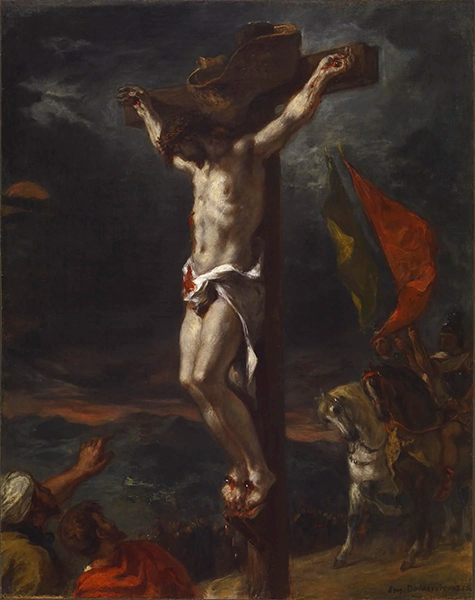
On the cross, Jesus enters the terrible reality of human hatred. He suffers what fear, pride, cruelty, and rejection can do.
Yet he gives himself in love. The passage describes his cross as bringing both groups back to God and ending the hostility that separates them. Reconciliation with the Father and reconciliation with one another belong together.
Welcoming someone does not mean allowing abuse or pretending that harm never happened. It means seeking truth and justice without surrendering ourselves to hatred. Sometimes the first step is simply asking God to help us desire another person’s good.