
Jesus observes that the Jewish religious figures constructed monuments honoring prophets whom earlier generations rejected and killed. The prophets were rejected because their words threatened established power, exposed religious hypocrisy, challenged national policy, or announced consequences that people did not want to hear.
Israel’s Law (Deuteronomy 13:1–6; 18:20–22) recognized that false prophets could arise and provided standards for discerning them. The difficulty was that political and religious authorities could misuse these concerns against an authentic prophet.
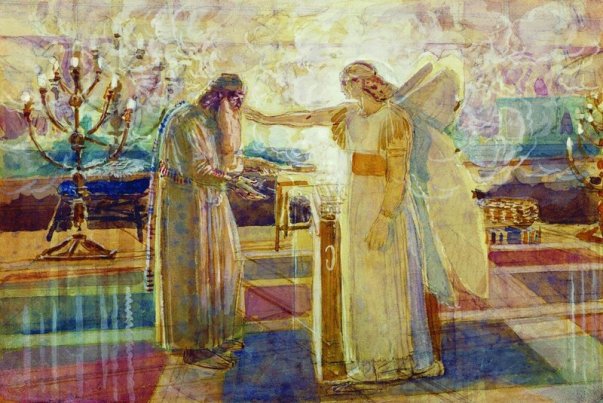
Zechariah was stoned after rebuking the people’s abandonment of God . The prophet Uriah was executed by King Jehoiakim after prophesying against Jerusalem. Jeremiah himself was accused of discouraging the people and weakening the nation during wartime; officials demanded his death and placed him in a cistern. Amaziah, the priest of Bethel, accused Amos of conspiring against the king and ordered him to leave the kingdom. John the Baptist was later killed by Herod after condemning the ruler’s unlawful marriage.
The central problem Jesus identifies is retrospective righteousness: it is easy to honor a dead prophet whose challenging voice has been safely placed in the past. A monument can be built to yesterday’s prophet while today’s messenger is being ignored.
This passage must also be directed toward the Church and every Christian community. Christians can honor the martyrs, celebrate the saints, and quote prophetic voices while resisting living people who call attention to injustice, hypocrisy, misuse of authority, or neglect of the vulnerable.
The history of the prophets reveals a recurring human pattern, not a uniquely Jewish failure. God speaks; His word disturbs settled arrangements; people defend themselves; and only later do their descendants recognize the messenger’s holiness. Jesus calls us to break that pattern through humility and repentance. Honoring the prophets means more than preserving their memory. It means allowing the word for which they suffered to change the way we live today.