
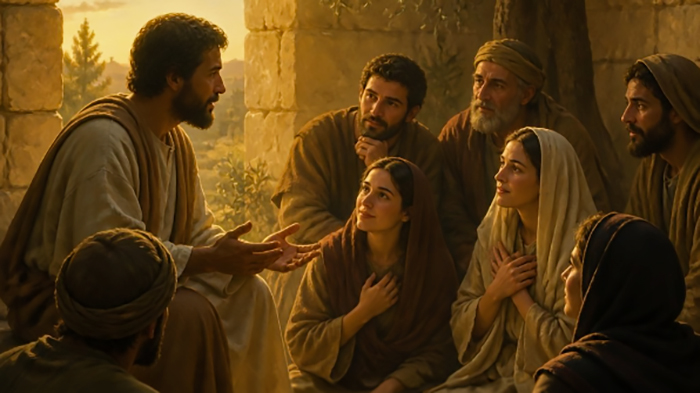
Every Sunday we hear the Word of God proclaimed, but there is a difference between hearing the Word and receiving the Word. St. Paul praises the Thessalonians because they received his preaching “not as the word of men, but, as it truly is, the word of God.” They recognized that although the message came through human voices, God Himself was speaking to them.
That same invitation comes to us at every Mass. The Scriptures are not merely ancient words about God. They are God’s living Word addressed to His people today. We can hear the readings and then move on with our lives, or we can pause and ask, “Lord, what are You saying to me through this Word?”
To receive the Word requires humility because it means being open to the possibility that God may challenge us as well as comfort us. His Word may affirm something in our lives, but it may also reveal something that needs to change. It may call us to forgive, to surrender, to trust, to serve, or simply to believe more deeply.
Paul tells us that the Word of God is “at work” in those who believe. God’s Word is not merely information we acquire; it is a living Word that can take root within us and gradually transform the way we see God, ourselves, and others. Sometimes that transformation happens immediately. Sometimes the Word remains quietly within us until a later moment when we suddenly understand why God placed those words before us.
The next time we hear the Scriptures proclaimed, perhaps we should listen with a slightly different question. Not simply, “What does this passage say?” but, “What is God saying to me?” And then, even more importantly, “What will I do with what God has said?”
The Word is proclaimed. We hear it. We receive it. We allow it to take root. And then, by God’s grace, the Word begins to become life within us.
“Speak, Lord. Your servant is listening.”